Thinking about listing your Lake Arrowhead home this spring? As the snow melts and the pines brighten, buyer interest picks up and homes show their best. You want to hit that window with a property that looks great, answers buyer questions, and clears insurance hurdles. This guide gives you a clear timeline, mountain‑smart checklist, and staging tips tailored to Lake Arrowhead so you can list with confidence. Let’s dive in.
Why spring in Lake Arrowhead
Spring brings more buyer activity across the country, and Lake Arrowhead follows that pattern. Research from the National Association of Realtors shows buyer traffic tends to rise in spring, which makes your timing and presentation matter.
Our mountain climate shapes your prep plan. At roughly 5,000 feet, winters can leave debris, freeze‑thaw wear, and moisture build‑up. Spring green‑up and clearer skies also make for better photos, especially when your windows and decks frame those views.
Wildfire risk is a major consideration for Southern California mountain homes. Creating defensible space and documenting the work builds buyer confidence and helps with insurance review. You should also gather key service details in advance, since many homes rely on local districts, HOAs, septic systems, or lake associations.
Your 8 to 12 week plan
8 to 12 weeks out
- Order a pre‑listing home inspection to surface structural, roof, plumbing, and heating issues early.
- Check permit needs for any planned work. Review requirements with San Bernardino County Land Use Services before starting deck, roof, or exterior projects.
- Schedule roof, chimney, and gutter inspections to clear winter debris and check flashing and valleys.
- If you have a septic system, book an inspection and servicing. The U.S. Environmental Protection Agency’s septic guidance explains maintenance basics buyers often ask about.
- Line up contractors for roof, plumbing, pest, or tree work. Available calendars fill quickly in spring.
- Start wildfire mitigation and defensible space planning using CAL FIRE guidance. Keep receipts and notes on work completed.
4 to 6 weeks out
- Complete high‑impact touchups: paint, trim repairs, updated door hardware, and leaky faucet fixes.
- Tackle safety items: tighten or replace loose handrails, secure deck boards, and smooth trip hazards.
- Deep clean interiors, including windows. Clear panes make mountain views pop in photos and showings.
- Address pest control. Rodents and termites are common in mountain areas after winter. Seal entries.
- Landscape for curb appeal and safety. Prune to open views, remove winter debris, edge paths, and refresh mulch. Favor drought‑tolerant, native choices and maintain defensible space.
- Build a property information packet with disclosures, utility providers, HOA or lake association rules and fees, and recent maintenance records.
1 to 2 weeks out
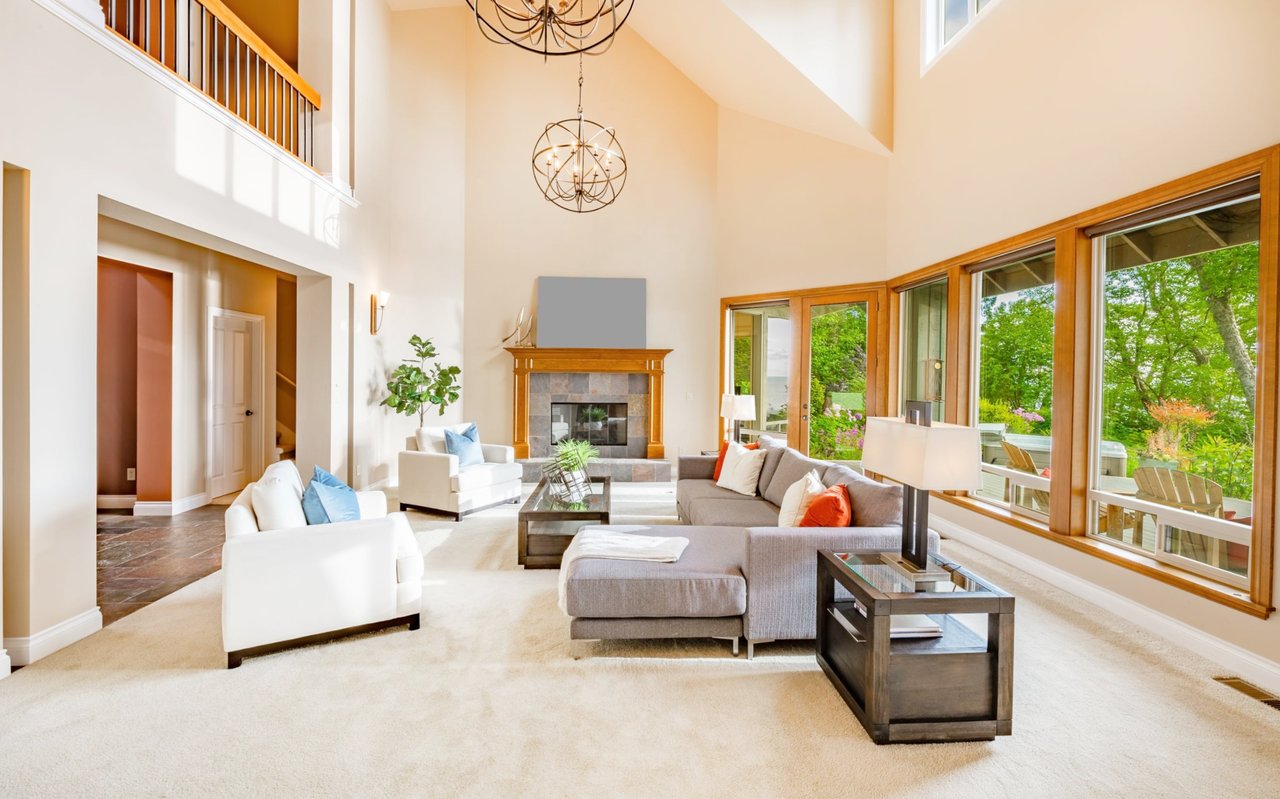
- Stage rooms or do light photo styling. Neutralize decor, declutter, and highlight views and outdoor living.
- Schedule professional photography when conditions are clear. Aim to capture views and natural light.
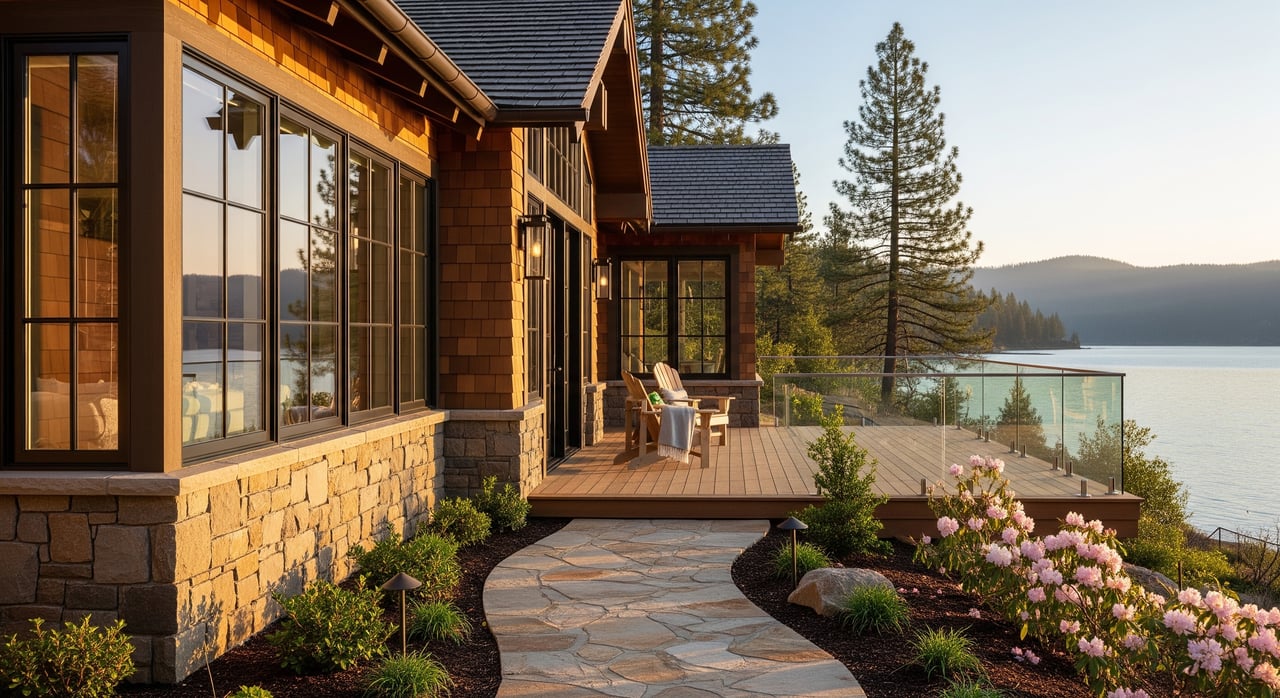
- Prepare exteriors for showings. Sweep decks, set up seating, store winter gear, and hide trash bins.
- Test smoke and carbon monoxide detectors and note recent servicing for your packet.
- Confirm sign placement and open house rules with your HOA or association if applicable.
Listing week
- Set a comfortable interior temperature. If safe and permitted, showcase fireplaces or wood stoves.
- Keep walkways clear of debris and slick spots. Have sand or salt ready for surprise frost.
- Share your property packet with buyer agents so questions are answered early.
- Be ready to address lake access, road maintenance, and insurance availability.
Mountain repairs and safety priorities
Defensible space and wildfire mitigation. Follow CAL FIRE’s defensible space guidance to thin vegetation near structures and remove dead limbs and fuels. Photograph and document completed work since buyers and insurers will ask for proof.
Tree hazard assessment. Winter storms can create leaning or damaged trees. Hire a certified arborist to evaluate and remove hazards well before listing.
Roof, gutters, and water control. Freeze‑thaw cycles can loosen shingles and flashing. Clear gutters and downspouts, inspect roof valleys, and repair any vulnerabilities to prevent spring leaks.
Moisture, mold, and ventilation. Mountain homes can trap moisture in attics or basements after winter. Address visible mold, improve ventilation, and check insulation for signs of dampness.
Septic systems and wells. Many properties rely on septic systems. Gather permits, pumping dates, and capacity details. If records are outdated, schedule an inspection and include the report in your packet using EPA septic best practices for reference.
Pest and structural pests. Rodents often seek shelter during winter. Seal gaps and schedule a termite inspection or treatment if needed. Provide any structural pest control reports.
Driveway and access. Winter weather can create potholes or washouts. Stabilize gravel, patch asphalt, and ensure a clear route for showings and deliveries.
Permits and HOA rules. Confirm that past exterior changes were permitted where required and note any HOA rules that could affect signage, open houses, or drone use. For permits and code questions, consult San Bernardino County Land Use Services.
Insurance and disclosure. Be ready to discuss wildfire exposure, slope stability, and prior water intrusion if applicable. Assemble documentation for prior claims and repairs and include it with your disclosures.
Staging and photography that sell
When to shoot
Spring photography shines once the landscape greens up and skies are clear. In Lake Arrowhead, that window often runs from late March through May, depending on winter weather and snowmelt. Plan interior shots on a bright day so photographers can capture views through windows and balanced natural light. For broader timing insights, review seasonal patterns from the National Association of Realtors.
Photo priorities
- Exterior overview images that show mountain context and access. If lake access applies, confirm any association rules before photographing.
- Room shots that include windows and vistas. Buyers often prioritize views.
- Twilight images of decks and outdoor areas to add warmth and lifestyle appeal.
- Clean detail images of stone fireplaces, beams, or upgrades without clutter.
- Drone views can clarify positioning relative to the lake and treeline. Ensure your operator follows FAA UAS Part 107 rules and any HOA restrictions.
Styling cues buyers love
Aim for a clean, cozy look with neutral linens, minimal rustic accents, and warm lighting. Put winter gear away to keep rooms open and inviting. On decks and patios, stage simple seating, tidy planters, and clear sightlines from railings to the view. A few well‑placed props are enough.
Online listing must‑haves
- Include a downloadable property packet with disclosures, utility info, HOA or association rules, recent service invoices, and inspections.
- Use high‑resolution photos and a virtual tour or walkthrough. Add a floor plan and a simple site map showing driveway access, orientation, and relationship to lake amenities where relevant.
- Call out practical items in the listing: sewer or septic details, water supplier, wildfire mitigation completed, and year‑round access or road maintenance.
Paperwork and buyer questions
California disclosures
Work with your agent to complete the Transfer Disclosure Statement and related forms required by California Civil Code. You can review the statutory framework for seller disclosures in Civil Code section 1102. Natural hazard disclosures are also expected in our area, including wildfire, flood, and landslide risk.
Common buyer questions to expect
- Lake access and use: public versus private access, guest passes, boat or dock rules.
- HOA or lake association fees, rules, reserve studies, and any pending assessments.
- Road maintenance and snow removal on private drives or shared roads.
- Utility providers for water, sewer or septic, electricity, internet, and cellular options.
- Septic system capacity, last pumping date, and leach field location.
- Wildfire mitigation completed and documentation of defensible space.
- Insurance availability and cost context for mountain properties.
- Property boundaries, easements, and access rights.
Seller packet checklist
- Transfer Disclosure Statement and other required forms
- Natural Hazard Disclosure report if available
- Recent maintenance invoices for roof, HVAC, septic, and pest control
- Copies of permits for any work completed
- HOA or lake association bylaws, rules, and financials
- Utility provider contacts and recent bills
- Recent home inspection or pre‑listing inspection report
- Title and survey information if available
Make your spring move
You deserve a plan that fits Lake Arrowhead, not a one‑size‑fits‑all checklist. As a local resident since 1981 and a full‑time agent since 1989, I bring decades of mountain experience and a polished marketing approach backed by Coldwell Banker. From pre‑listing inspections to photography and buyer packet preparation, you get white‑glove guidance designed for our terrain and our market.
Ready to prepare your home for a successful spring sale? Request a Complimentary Property Valuation, and let’s map your timeline and priorities together. Connect with Sue Weaver to get started.
FAQs
When is the best month to list a Lake Arrowhead home in spring?
- Buyer activity generally increases in spring, and local conditions often look best between late March and May. Track weather, snowmelt, and your prep timeline to pinpoint the week. Review seasonal patterns from the National Association of Realtors.
What is defensible space and why do buyers ask about it?
- Defensible space means managing vegetation and fuels around your home to reduce wildfire risk. Follow CAL FIRE’s guidance and document completed work to support buyer and insurance review.
Do I need a permit for deck or roof work in San Bernardino County?
- Many exterior projects require permits. Confirm requirements with San Bernardino County Land Use Services before starting work so buyers can see compliant improvements.
How should I handle my septic system before listing?
- Gather permits and service records, schedule an inspection if records are outdated, and include details in your property packet. For maintenance basics, see EPA septic guidance.
Can I use drone photos for my listing near the lake?
- Yes, when done correctly. Ensure your operator complies with FAA UAS Part 107 rules and any HOA or lake association restrictions before flying.
What disclosures are required when selling in California?
- Sellers complete the Transfer Disclosure Statement and other statutory forms, and must disclose known property conditions and natural hazards. Review California Civil Code section 1102 and coordinate with your agent to stay compliant.